
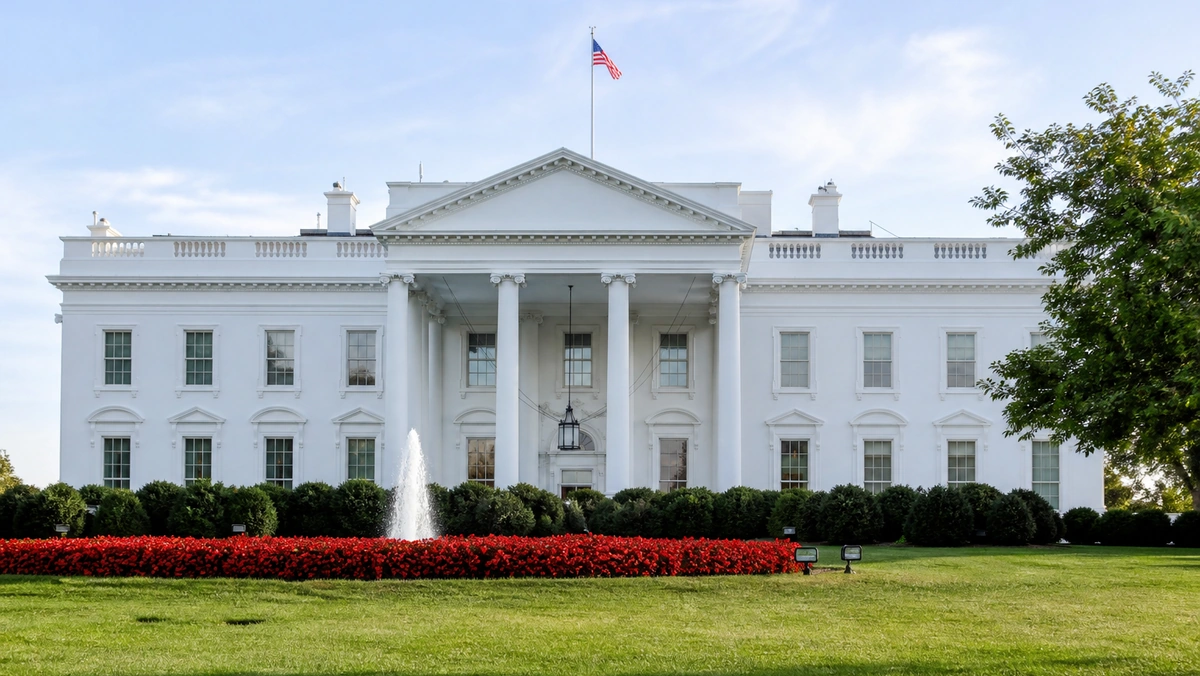
WASHINGTON — The White House ballroom construction dispute intensified after the U.S. Supreme Court allowed construction of a large White House ballroom project to continue while litigation proceeds, handing the Trump administration a short-term win in a fight over executive building power.
In an unsigned 5-4 order reported by Reuters, AP, and NBC News around Aug. 31, 2026 (Reuters coverage of the Aug. 31 order), the court blocked lower-court limits on above-ground work. Chief Justice John Roberts dissented, joining liberal justices in calling the project “likely unlawful.”
What the White House ballroom construction Supreme Court order did — and did not — decide
The majority did not issue a final ruling on whether the ballroom is legal. Instead, coverage says the justices found the National Trust for Historic Preservation likely lacks standing to bring the challenge that produced the injunction.
Lower courts had allowed underground military and security-related work to continue while pausing the above-ground ballroom. The Supreme Court stay keeps that pause from taking effect while the government seeks further review.
Why opponents sued
The National Trust sued after the administration tore down the White House East Wing and began a roughly 90,000-square-foot ballroom project without a specific new authorization from Congress, according to Reuters and NBC.
The trust pointed to federal law requiring express congressional authority to build on certain public grounds in Washington. The administration argued other statutes allow presidential improvements on White House grounds and has said the project is funded by private donations — a claim reporters note is disputed, including over Secret Service security costs.
Construction status
Court filings cited in national coverage said construction was about 65% complete as of late August, with large crews working long hours. Timelines reported from court documents point to structural framing targets in November, substantial facade work by April, and full completion around August 2028.
Cost figures commonly cited in wire stories put the project near $400 million; some international outlets converted that figure into local currency.
The project has drawn attention because the White House complex is both a working government site and a nationally recognized historic place. Legal questions include the scope of presidential authority, the role of Congress, and whether preservation groups can show the injury required to bring a challenge. The stay does not settle those questions; it leaves the underlying case for further proceedings.
Future filings may clarify the project’s funding, security requirements, and the timetable for major construction milestones. Observers should distinguish the temporary procedural order from a final judgment on the merits. The administration and its opponents continue to present sharply different views of the project’s legality and public cost.
Readers can follow the case through public court documents and reliable reporting as the litigation develops. Construction status and legal outcomes may change with later orders.
Public records, court orders, and on-the-record statements remain the best way to track the dispute as the construction timeline changes.
Why this matters
The dispute is about more than event space. It tests how far a president can reshape the White House complex without a clear green light from Congress, and how standing rules can end a case before judges fully decide the merits.
How Never Late News reported this
Never Late News compared Reuters, AP, NBC News, and Engineering News-Record accounts of the Aug. 31 order, including the 5-4 split, Roberts’ dissent language, standing rationale, and construction percentages attributed to court filings. The desk did not review sealed filings and was not at the White House site for this story.
Corrections and reader feedback
Contact us via Contact if something needs fixing. Corrections appear on our Corrections page. Background on our process is on the Editorial Policy and About pages.
This White House ballroom construction report will be updated as new court filings clarify the project and its legal status.
The White House ballroom construction remains a closely watched government story because the order affects work now, not the final outcome of the lawsuit.
For readers tracking White House ballroom construction, the next meaningful step will be the lower court response and any additional briefing from the parties.