
WASHINGTON — The Trump administration on Sunday again asked the Supreme Court to let a U.S. Postal Service rule take effect immediately. The renewed request puts USPS mail ballot rules at the center of a midterms fight as some states have already begun mailing ballots.
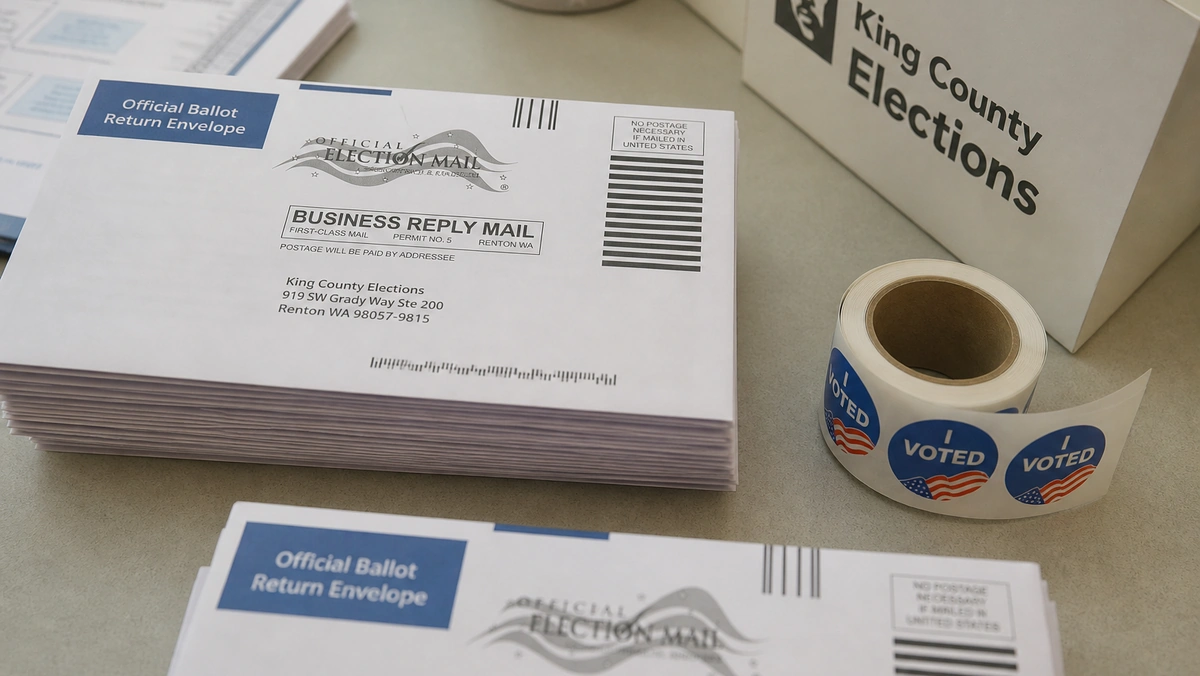
According to CNN reporting on Sept. 6, 2026 (CNN’s Sept. 6 report), the new emergency appeal followed a preliminary injunction by U.S. District Judge Indira Talwani that blocked the USPS plan indefinitely after an earlier temporary hold.
What the USPS mail ballot rules case is about
The Postal Service rule, tied to a presidential executive order on mail voting, would require election officials to use special barcodes on ballot envelopes and upload lists of mail voters to a federal portal. The administration says the changes help secure ballots; a coalition of Democratic-led states and voting groups calls it an overreach.
Solicitor General D. John Sauer has described the requirements as modest envelope-design and addressee-information rules for federal-election ballots sent by U.S. mail. Judge Talwani wrote that the Constitution’s Elections Clause tasks states with election administration, subject to Congress — not the executive.
Why the timing is so sharp
Justice Department filings cited by CNN say North Carolina has already begun mailing ballots, Alabama is set for Sept. 9, and at least five more states begin around Sept. 13. Officials argue that once envelopes enter the mailstream, they cannot be retrieved.
ACLU Voting Rights Project director Sophia Lin Lakin said there is not evidence states could comply with fewer than 60 days to the November election without disenfranchising mail voters, according to CNN.
How voters can follow the dispute
Election offices generally publish their own deadlines for requesting, returning, and curing a mail ballot. Voters should check official state and county election websites for instructions rather than rely on social-media summaries. They can also ask whether a ballot needs a witness signature, a notary, or a particular identification number. Those details vary by state and may change while litigation continues.
Voters who have already requested a ballot should watch for notices from their election office and allow extra time for delivery. If a ballot does not arrive, an election office can explain available replacement or in-person options. Keeping the return envelope and following the printed instructions can help avoid preventable delays.
How the appeals shuffled
CNN reported the administration withdrew an earlier Sept. 3 emergency appeal after filing the new Sunday case “to simplify proceedings,” while still pressing the justices to lift Talwani’s indefinite block. Justice Ketanji Brown Jackson directed challengers to respond to the new appeal on Wednesday.
Why this matters
Nearly one-third of U.S. voters cast mail ballots in recent cycles, according to election coverage of the dispute. A Supreme Court move in either direction could reshape how states process midterm mail ballots in the final weeks before Nov. 3.
How Never Late News reported this
Never Late News based this story on CNN’s Sept. 6 account of the renewed Supreme Court filing, including the Talwani injunction timeline, North Carolina/Alabama mailing dates as attributed to Justice Department filings, and named quotes from Sauer and Lakin. The desk did not review sealed briefs and was not at the Court for oral presentations.
Corrections and reader feedback
Flag mistakes via Contact. We publish fixes on Corrections. See our Editorial Policy and About pages for how we work.
Election officials remain the best source for current deadlines and procedures. Court orders can change quickly, so readers should verify updates before mailing a ballot.
Readers should confirm the latest guidance with their local election office before acting, because deadlines and ballot instructions can differ across jurisdictions.
USPS mail ballot rules remain subject to court review, so readers should verify the latest information with election officials before mailing a ballot.