
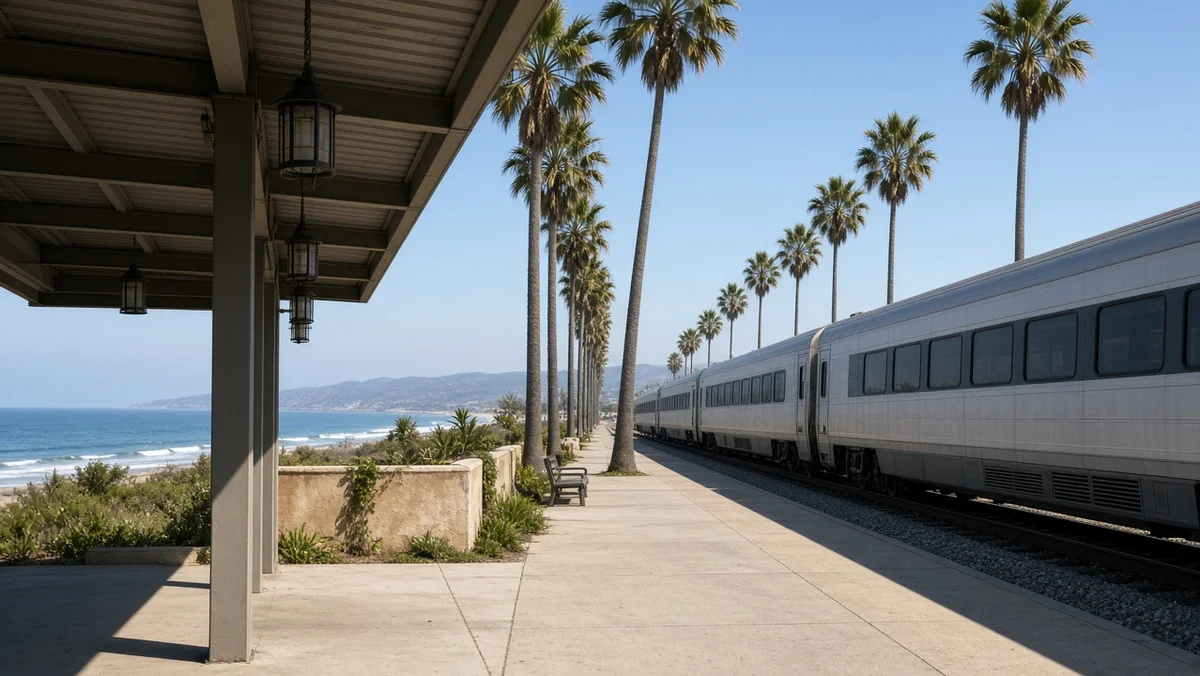
SAN DIEGO — Two Realtor-affiliated housing advocacy groups have sued the San Diego Association of Governments over how its SB 79 implementation map treats the Oceanside Transit Center and Solana Beach station, arguing the regional agency undercounted train service and blocked taller housing that state law otherwise allows near frequent transit.
Californians for Homeownership and the California Housing Defense Fund filed the case challenging SANDAG’s map under Senate Bill 79, Times of San Diego reported Sept. 10, 2026. The same organizations sued the City of San Diego last month over SB 79, according to that coverage. The suit seeks to invalidate the current SANDAG SB 79 map, claiming it “miscategorized certain transit stops and has not properly accounted for stations with multiple lines.”
Why this matters
SB 79 was signed in October of last year and took effect for implementation in July. The law allows buildings up to 95 feet near transit stops regardless of local zoning, with a half-mile radius for frequent stations and a quarter-mile radius for less frequent ones. How an agency ranks a stop therefore decides how much by-right height and density can land around platforms that already shape North County land-use fights.
SANDAG’s map placed Oceanside in a second tier — described in the reporting as more than 48 but fewer than 71 commuter trains per day. Plaintiffs say published schedules for the Pacific Surfliner, Metrolink, Coaster, and Sprinter show more than 100 trains a day at Oceanside. Solana Beach, the suit argues, was not counted as a lower-tier development zone even though Surfliner and Coaster service there exceeds the 48-train threshold, according to the plaintiffs’ claims as reported by Times of San Diego.
Those counting disputes are not abstract. A higher-frequency designation can expand the geography and intensity of housing allowed near stations; a lower tier or omission can leave local zoning and city exemptions more decisive. SANDAG declined to comment because of pending litigation. Its published methodology page, the outlet noted, does not explain which trains were excluded from the counts that produced the contested map.
Local politics already pointed toward caution. Solana Beach Mayor Lisa Heebner, in a May 2025 letter, argued against classifying the city as a high-frequency station community, citing visitor-oriented Amtrak traffic, beaches, and the Del Mar fairgrounds, according to the Times of San Diego account. In June, Oceanside’s City Council voted to exempt certain sites and defer some high-density allowances until 2032. The lawsuit does not erase those local votes; it targets the regional map that feeds SB 79’s transit-proximity rules.
Housing supply fights around transit echo choices readers follow elsewhere: temporary growth brakes such as the Port Royal housing moratorium, budget-level affordability tools like Jacksonville’s affordable housing trust fund, and corridor projects such as the MTA Interborough Express and Atlanta’s BeltLine rail resolution. In San Diego County, the near-term question is whether a court will force SANDAG to redraw which stations unlock the tallest SB 79 allowances.
Readers should treat frequency tallies, radius rules, and exemption timelines as claims and reporting from the cited coverage and the plaintiffs’ lawsuit narrative — not as independently audited train counts or final court findings. No ruling has been described in the Sept. 10 report.
How Never Late News reported this
This article is based on Times of San Diego reporting by Dorian Hargrove and Andrew Keatts published Sept. 10, 2026, including the identity of the plaintiff groups, their prior San Diego city suit, SB 79’s signing and July implementation, the 95-foot and half-/quarter-mile framework, SANDAG’s second-tier placement of Oceanside, plaintiffs’ schedule-based train-count claims for Oceanside and Solana Beach, the request to invalidate the map, SANDAG’s litigation-related no-comment and opaque methodology page, Mayor Heebner’s May 2025 letter themes, and Oceanside’s June exemption/deferral vote. We did not invent additional court filings, judicial comments, or train schedules beyond that reporting.
Primary source: Times of San Diego on the SANDAG SB 79 lawsuit.
Corrections and reader feedback
SANDAG staff, city officials in Oceanside or Solana Beach, counsel for either plaintiff group, or residents with the public complaint text, methodology appendix, or published train-count worksheets may email tips@neverlatenews.com. We will correct misstated station tiers, train-count figures, or timeline errors promptly.
1 thought on “Housing Groups Sue SANDAG Over SB 79 Map for Oceanside and Solana Beach Stations”
Comments are closed.