
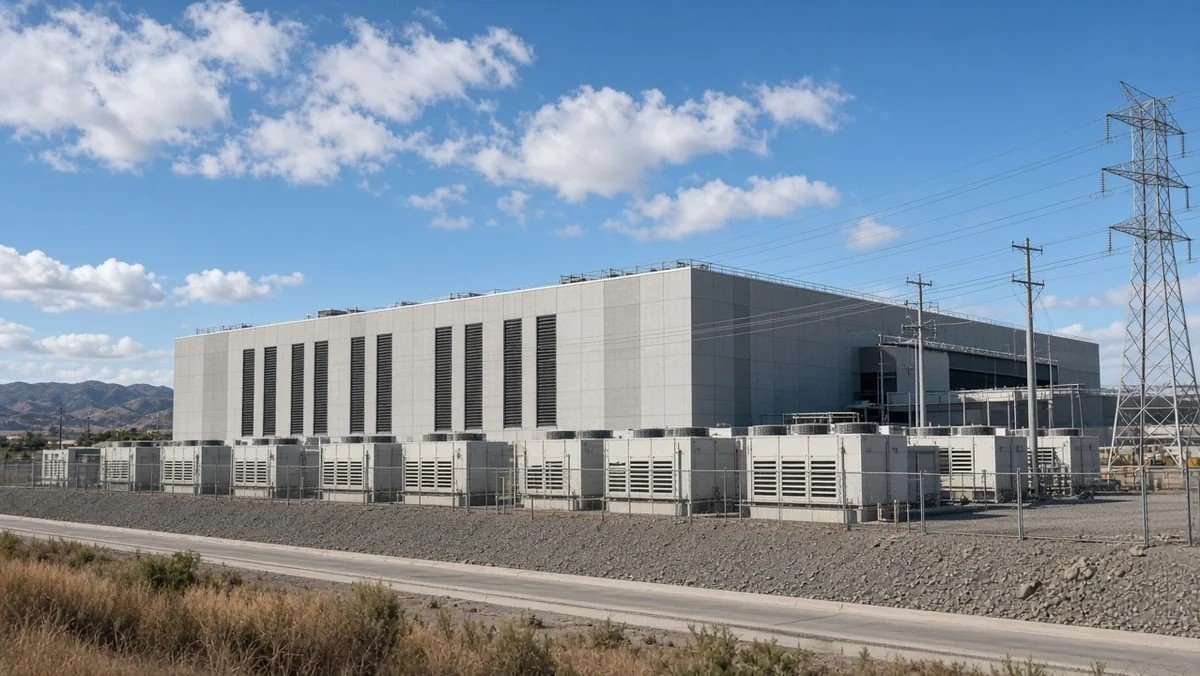
SACRAMENTO, Calif. – Gov. Gavin Newsom has signed what state leaders are calling the most comprehensive data center laws in the nation, a package meant to give communities more control over water, electricity, and land use as large computing campuses expand across California.
National and state lawmakers celebrated the Sept. 22, 2026, signatures. They highlight Senate Bill 1168 by Sen. Jerry McNerney, which is designed so data centers absorb the costs of their energy use and related utility upgrades instead of shifting those bills onto everyday ratepayers. Sen. Alex Padilla has described the package as delivering the strongest ratepayer protections, elevating local voices, and tying projects to air, water, and climate standards.
Two Assembly measures round out the transparency and cost-shift fight. Assembly Bill 1577 by Assemblymember Rebecca Bauer-Kahan requires clearer reporting on energy demands. Assembly Bill 2383 by Assemblymember Rick Chavez Zbur pushes large energy users to pay a fair share and protects against cost shifts onto other customers. Consumer and environmental groups including The Utility Reform Network (TURN), the Natural Resources Defense Council (NRDC), and the Public Advocates Office have praised provisions that make big users pay upfront for infrastructure, contribute a fair share toward wildfire mitigation, and improve reporting and planning.
What the package is trying to fix
Data centers are no longer niche warehouses for servers. They are industrial-scale electricity and water customers that can force new substations, transmission work, and local land-use fights. When those upgrades are socialized across every household bill, families who never asked for a hyperscale campus still help pay for it.
California’s bills aim to reverse that default. SB 1168 puts upgrade and energy costs on the facilities that create the demand. AB 1577 makes the demand itself more visible before communities are locked into thin planning records. AB 2383 tries to stop large users from quietly sliding costs onto smaller customers. Together, the package is less about blocking every project and more about changing who pays and what the public gets to see.
Why this matters
Household electric bills, drinking-water stress, and land-use fights are the three places data centers collide with ordinary readers. A governor’s signature on a “most comprehensive in the nation” package stands out because it is timely, named, and tied to money people feel every month.
Never Late News has followed the same collision in other states. Our coverage of Prince William County data centers tracks how Northern Virginia communities argue over power, land, and neighborhood impact. In Colorado, Colorado Springs’ Project Taurus data center postponement showed how a big campus can stall when local politics and infrastructure questions catch up. The California package also sits next to national AI-governance debates such as the Ban Artificial Superintelligence Act, and next to local tax fights like the Harris County property tax rate increase, where residents already watch every line on the public bill.
For California cities weighing their next campus proposal, the practical test is enforcement. Will utilities actually bill upgrades to data center developers? Will energy-demand disclosures arrive early enough to change land-use hearings? Will wildfire-mitigation cost sharing show up on real invoices? Those answers will decide whether this package is a national model or a press-release ceiling.
How Never Late News reported this
Never Late News based this report on the California Governor’s Office release dated Sept. 22, 2026, celebrating Newsom’s signature on the most comprehensive data center laws in the nation. Key facts include the package’s focus on community control over water, electricity, and land use; SB 1168 (McNerney) requiring data centers to absorb energy-use and utility-upgrade costs rather than shifting them to ratepayers; Padilla’s framing on ratepayer protections, local voices, and air/water/climate standards; AB 1577 (Bauer-Kahan) on energy-demand transparency; AB 2383 (Zbur) on large energy users paying a fair share and blocking cost shifts; and praise from TURN, NRDC, and the Public Advocates Office for upfront infrastructure payment, wildfire-mitigation fair share, and stronger reporting and planning. Primary source: Governor’s Office on California data center laws. We did not invent megawatt caps, fee schedules, or effective dates beyond that release.
Corrections and reader feedback
If you spot an error in bill numbers, author names, ratepayer provisions, or group attributions, email editor@neverlatenews.com with the correction and a source link. Never Late News corrects factual mistakes promptly and notes substantive updates when agencies issue implementing guidance.
About Never Late News: Never Late News is a US local and civic news site covering budgets, taxes, schools, housing, and public services with people-first reporting. Articles carry the byline Mike Joe. We prioritize timely, sourced civic coverage over clickbait.