
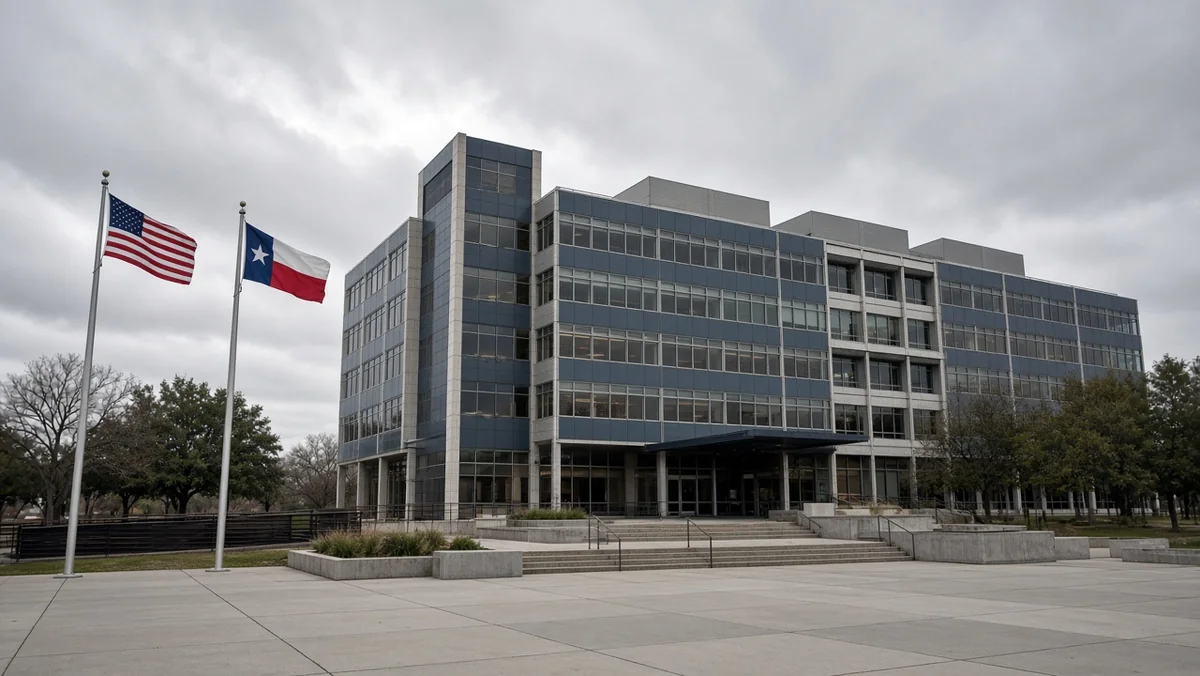
HOUSTON / HARRIS COUNTY, Texas Harris County Commissioners Court approved a property tax rate increase of roughly 7.9% in a 3-1 vote, a change county estimates say will cost the average homeowner about $193 more per yearor roughly $16 a month—while capping the rate at 67 cents per $100 of taxable value. The higher rates take effect Oct. 1 as part of a $3.1 billion budget, according to reporting by Click2Houston’s Corley Peel on Sept. 1718, 2026.
Commissioners Adrian Garcia, Rodney Ellis, and Lesley Briones voted yes. Precinct 3 Commissioner Tom Ramsey voted no. County Judge Lina Hidalgo abstained, while warning that the tax increase alone will not solve the county’s longer-term financial pressures, Peel reported.
What the vote means for homeowners
County estimates place the typical impact near $193 annually for an average homeowner. Briones illustrated the stakes with a roughly $400,000 home example that matches that figure and said she does not take the increase lightly, while arguing that cutting services households rely on would be more costly over time.
Supporters said the budget funds core local functions: public health programs, flood mitigation, roads, courts, and other infrastructure. Opponents and skeptics framed the hike as an affordability hit at a moment when many households already feel squeezed by housing, insurance, and other costs.
The rate is capped at 67 cents per $100 of taxable property value—an important ceiling for residents comparing this years levy with past Harris County rates.
Why commissioners say costs shifted to the county
After the vote, Garcia, Ellis, and Briones publicly blamed state and federal policy choices—naming President Donald Trump and Texas Gov. Greg Abbottfor what they described as roughly $250 million in added local costs. Garcia called the outcome a Trump-Abbott tax increase” borne by Harris County residents and pointed to unfunded mandates, federal health-care cost pressure, and Texas’s decision not to expand Medicaid.
Briones cited Harris Health’s role in absorbing more than $180 million in uncompensated care as a direct consequence of Medicaid non-expansion. Ellis described the budget vote as among the toughest of his career, saying local government still has to fund vital services people depend on even when state and federal decisions raise the local bill.
Garcia also noted that other Texas counties—including Republican-led Montgomery, Collin, and McLennanhave raised tax rates this year under similar budget strain, according to the Click2Houston account. Ramsey’s no vote stood alone among commissioners who participated, underscoring a split over whether the county should absorb the increase or force deeper service cuts.
Readers tracking parallel local budget fights will recognize the pattern: cities and counties across the country are weighing tax rates against service levels as mandates and health-care costs climb. Similar fiscal pressure shows up in San Antonio’s property-tax and FY2027 budget debate and in Miami-Dade’s budget plan that pairs bus-service cuts with a new Metromover fare.
Why this matters
Property tax rates are one of the few local levers that immediately show up on homeowner bills. A ~7.9% increase that is still capped at 67 cents per $100, paired with a clear average-dollar estimate (~$193 a year), gives Harris County residents a concrete way to judge tradeoffs between flood control, health systems, courts, and roads versus monthly cash flow.
The political framing matters too. When three commissioners publicly assign responsibility to Trump administration and Abbott-era state choices—including Medicaid non-expansion and unfunded mandates—voters get a clearer map of which level of government they believe should fix the gap. Hidalgos abstention and caution about long-term finances signal that this rate hike is not presented as a permanent fix.
Households already watching federal income supports and COLA forecasts—such as the Social Security COLA 2027 outlookwill feel the stack of local tax, insurance, and living-cost changes together. Smaller cities wrestling with grants and stability votes, like Youngstown’s failed Sparkle Market bailout grant, show the same budget stress at a different scale.
How Never Late News reported this
Never Late News based this report on Click2Houston coverage by Corley Peel (published and updated Sept. 17, 2026, with follow-through into the Sept. 18 news cycle), including the 3-1 vote tally, rate-cap figure, average homeowner cost estimate, $3.1 billion budget context, named yes/no votes, Hidalgo’s abstention, the ~$250 million cost claim, and the Harris Health uncompensated-care figure. Primary source: Click2Houston’s report on the Harris County property tax increase. We did not invent quotes beyond those reported there and did not independently audit county budget spreadsheets for this draft.
Corrections and reader feedback
If you spot an error in vote tallies, dollar figures, effective dates, or commissioner names, email editor@neverlatenews.com with the correction and a source link. Never Late News corrects factual mistakes promptly and notes substantive updates when Harris County budget numbers are revised.
About Never Late News: Never Late News is a US local and civic news site covering budgets, taxes, schools, housing, and public services with people-first reporting. Articles carry the byline Mike Joe. We prioritize timely, sourced civic coverage over clickbait.