
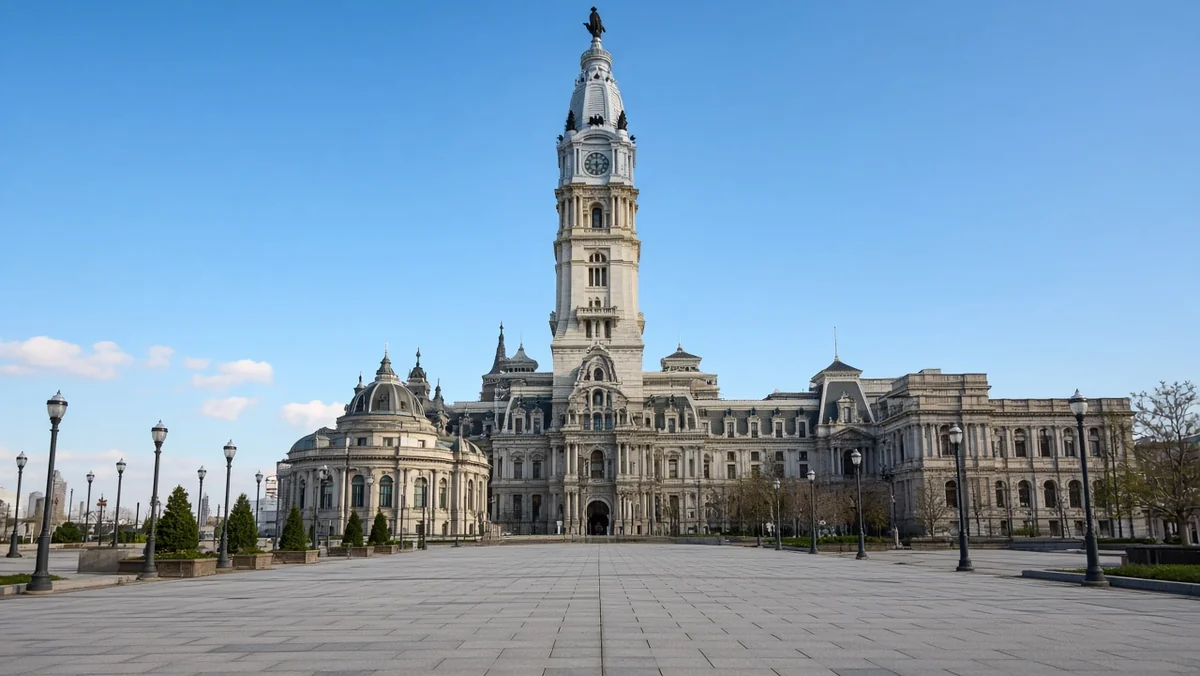
Philadelphia data center task force update: PHILADELPHIA — Mayor Cherelle Parker signed an executive order around Sept. 16–17, 2026, creating a city Data Center Task Force to study how Philadelphia should regulate future facilities that power artificial intelligence and cloud computing. The group drawing representatives from city agencies and including a representative from City Council President Kenyatta Johnson’s office must deliver findings by June 30, 2027, on benefits and harms tied to energy, water, health, the environment, and the local economy, and may recommend rules on sites, buildings, and size.
Parker cast the order as preparation before any major proposal lands. “Before Philadelphia considers any major data center proposal, we need to understand the facts, identify the right safeguards and fully hear residents’ concerns,” she said in a social media announcement. The task force’s work, she added, should help ensure neighborhoods are protected and residents have a voice from the start.
Environmental advocates and neighborhood organizers say a study timeline is not protection. Groups including No Data Centers in Philly and the Clean Air Council argue the city needs an immediate multiyear moratorium while rules are written warning that a task force can become delay while developers test soft spots in older zoning.
Why this matters
Philadelphia has several small existing data centers that officials say use relatively limited resources. City officials also say there are no hyperscale AI facilities in the city and no current proposals to build them. That snapshot is cold comfort to residents watching suburban towns scramble after surprise applications, and to organizers who note Philadelphia still has no local zoning laws tailored to AI-scale data centers.
Across the United States, large data centers have brought local tax revenue while driving higher power demand, generator-related air concerns, water use, and noise complaints from nearby neighborhoods. Without clear rules, land-use fights often shift to lawyers arguing what older industrial or commercial codes already allow. Clean Air Council executive director Alex Bomstein, who is also an attorney, told WHYY that moratoriums matter because counsel for developers work to “slip through the existing laws” that were never written for AI facilities. If the city adopts zoning only after an application is filed, he said, those new rules typically will not apply to a project already in process.
Bomstein said that on the current task-force calendar, formal regulations might not be introduced until next fall—leaving what activists call a vulnerability window. More than 2,600 people have signed a petition seeking a freeze on future data center development in Philadelphia. Dozens of residents also pushed back in comments on Parker’s Instagram announcement, calling a task force out of touch and urging an outright ban.
Pennsylvania Gov. Josh Shapiro signed a statewide executive order last month aimed at mitigating data center impacts, but those recommendations generally need legislation to take full effect. Several bills seeking moratoriums or tighter tax-break limits have stalled in the General Assembly—another reason local organizers want Philadelphia to act on its own zoning clock.
Civic fights over how fast cities should lock in land-use rules before markets move are familiar to Never Late News readers tracking Costa Mesa’s Fairview housing framework, Seattle’s Mandatory Housing Affordability fee holiday debate, Youngstown’s Sparkle Market grant tie vote, and Minneapolis public schools closure planning.
What the task force must study
Under Parker’s order, the task force is required to research potential benefits and harms of data centers, with attention to environmental effects, energy use, and economic impacts. Its June 30, 2027 report should offer guidance on building requirements, fiscal impacts, and regulations that could mitigate pollution and noise. Officials say the panel will engage experts and stakeholders while it works.
Activists’ core objection is sequencing: study first, guardrails later. “We need to have a moratorium in place now, or we will be waiting while the development will be happening, and we can’t do that because Philadelphians need protections,” Bomstein said. Organizers with No Data Centers in Philly make the same point in simpler terms—they want a pause measured in years, not a report deadline measured on the city’s research calendar.
Suburban communities around Philadelphia have already faced rapid proposal waves that forced last-minute local rules on noise and air. Attorneys for some developers have challenged pre-existing zoning to argue a right to build. Parker’s order tries to put Philadelphia ahead of that curve; critics say “ahead” still means unguarded until mid-2027 unless Council adds a freeze.
How Never Late News reported this
Never Late News based this account primarily on WHYY’s Sept. 17, 2026 report by Zoë Read (Philadelphia data center task force coverage), cross-checked against contemporaneous Inquirer and city announcement details on the executive order, task-force composition, and June 30, 2027 reporting deadline. We did not obtain a separate leak of the unsigned order text beyond what those outlets described.
Quotes from Parker and Bomstein are taken from that public reporting. We will update if Council schedules moratorium legislation or if the city names full task-force membership.
Corrections and reader feedback
If you find an error in a date, officeholder name, petition figure, or task-force deadline in this article, email corrections to Never Late News with a link or document. We correct factual mistakes in plain language at the top of the story when needed. Philadelphia residents, neighborhood groups, and industry stakeholders may send tips; please say whether we may use your name.