
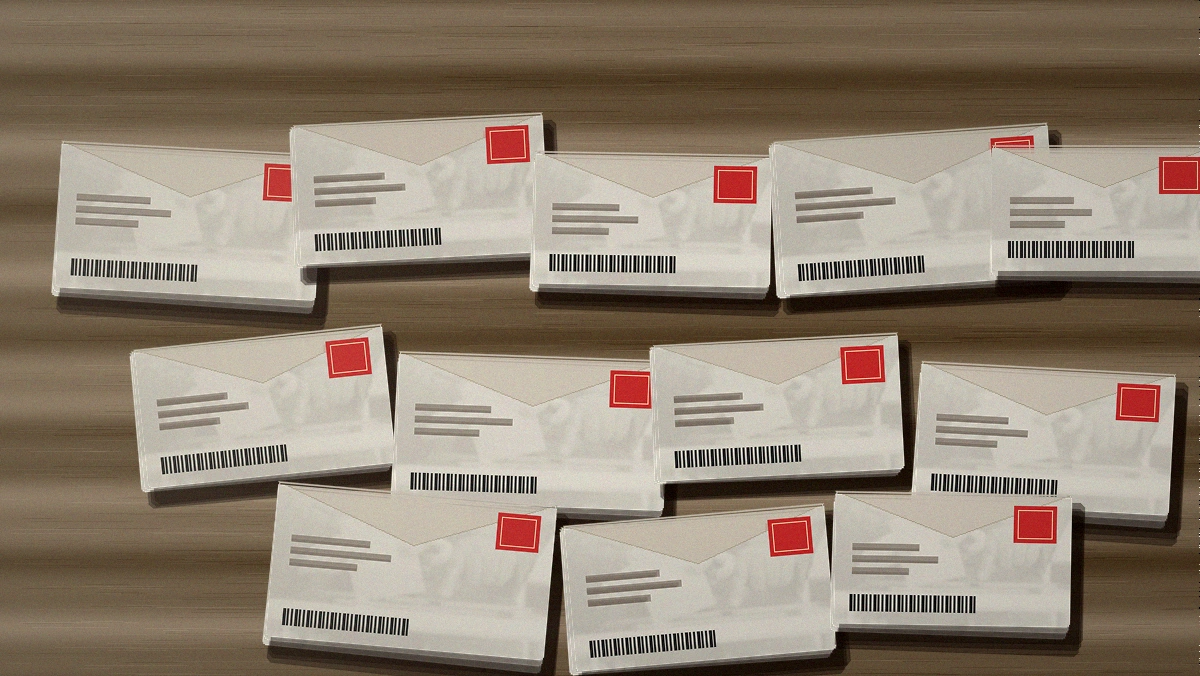
WASHINGTON — The USPS mail ballot rule remains blocked for the Nov. 3, 2026, midterms on Tuesday, Sept. 8, after Solicitor General D. John Sauer renewed an emergency Supreme Court bid to stay a preliminary injunction from U.S. District Judge Indira Talwani of the District of Massachusetts.
Talwani’s Sept. 4 order stops mandatory enforcement of the Postal Service’s “Ballot Mail for Federal Elections” final rule. Challengers — including states and voting-rights groups — say the USPS mail ballot rule would force last-minute envelope redesigns, portal uploads, and Postal Service approvals on a timeline they call practically impossible.
What the USPS mail ballot rule would require
The Postal Service finalized the USPS mail ballot rule in late August after President Donald Trump’s March 31 election-integrity executive order. Court coverage describes mandatory ballot-envelope design standards and a Federal Ballot Mail Portal where election officials would upload voter and barcode data before outbound federal ballot mail is accepted.
The administration calls the changes modest mail standards. Talwani’s earlier temporary restraining order, and then her preliminary injunction, treated mandatory implementation of the USPS mail ballot rule for 2026 as likely unlawful and irreparably harmful to states already ordering and mailing ballots.
How the Supreme Court schedule on the USPS mail ballot rule shifted
After the administration first sought emergency relief from Talwani’s temporary restraining order, Justice Ketanji Brown Jackson — who handles First Circuit emergency matters — set a challenger response clock. On Sept. 6, according to SCOTUSblog’s case tracking, the solicitor general withdrew the earlier stay application (26A297) and filed a new application (26A305) aimed at the Sept. 4 preliminary injunction that blocks the USPS mail ballot rule.
Jackson then ordered any response to the new application by 4 p.m. Eastern on Wednesday, Sept. 9. That means Tuesday’s desk focus is the live briefing fight: challengers preparing opposition papers while North Carolina has already begun mailing general-election ballots and other states, including Alabama around Sept. 9, are next in line.
What stays the same for voters while the rule is blocked
Eligibility to request a mail ballot still rests with state law. The USPS mail ballot rule fight is about how Postal Service acceptance standards for federal ballot envelopes work — not about rewriting who may vote by mail under state statutes.
States may still take voluntary steps to align envelopes or systems with Postal Service guidance. Those steps are not compulsory while Talwani’s injunction stands. That distinction matters for clerks printing trays now and for voters waiting on absentee packets already in transit.
Why this matters
Mail ballots are already entering the postal stream. A late stay of Talwani’s injunction could abruptly change what envelope designs and portal submissions the Postal Service treats as mandatory — or leave states that mailed under the injunction facing conflicting federal guidance weeks before Election Day.
For voters, the immediate stakes are operational: whether Postal Service acceptance rules for federal ballot mail stay voluntary for 2026 or become compulsory midstream under the USPS mail ballot rule.
How Never Late News reported this
Never Late News reviewed SCOTUSblog’s Sept. 6–7 coverage of the renewed stay application and docket notes for U.S. Postal Service v. California (26A305), plus NBC News reporting on the administration’s Sept. 3 emergency filing and Judge Talwani’s findings on compliance timelines. We also checked the Supreme Court docket PDF letter noting Talwani’s preliminary injunction against mandatory Final Rule sections for the Nov. 3 midterms. The desk was not in the First Circuit courtroom and did not invent filing times, vote counts, or quotes beyond those attributed in those public sources.
Corrections and reader feedback
If you spot an error, use our Corrections page or reach the news desk through Contact. Read our standards on the Editorial Policy and About Never Late News pages.
Primary source: SCOTUSblog’s report on the renewed USPS mail ballot stay application.