
U.S. air travelers wrapping up the Labor Day weekend faced Labor Day airport delays as a surge of disruptions, with extreme weather linked to more than 4,000 airport delays nationwide (The Travel’s Labor Day FAA delay report), according to holiday travel coverage summarizing the weekend rush.
The Labor Day period already ranked among the busiest late-summer flying windows, so storms hitting roads and skies at the same time left hubs with longer queues, missed connections, and packed rebooking lines.
Why Labor Day airport delays piled up so fast
Holiday passenger volume and severe weather are a rough mix. When thunderstorms or other systems roll through major corridors, airlines ground or slow flights for safety, and the backlog spreads to connecting cities far from the original storm.
Travel coverage of the 2026 Labor Day weekend described more than 4,000 delays tied to extreme weather across U.S. airports, on top of already heavy leisure and student travel demand.
What travelers still in transit should do
- Check flight status in the airline app before leaving for the airport.
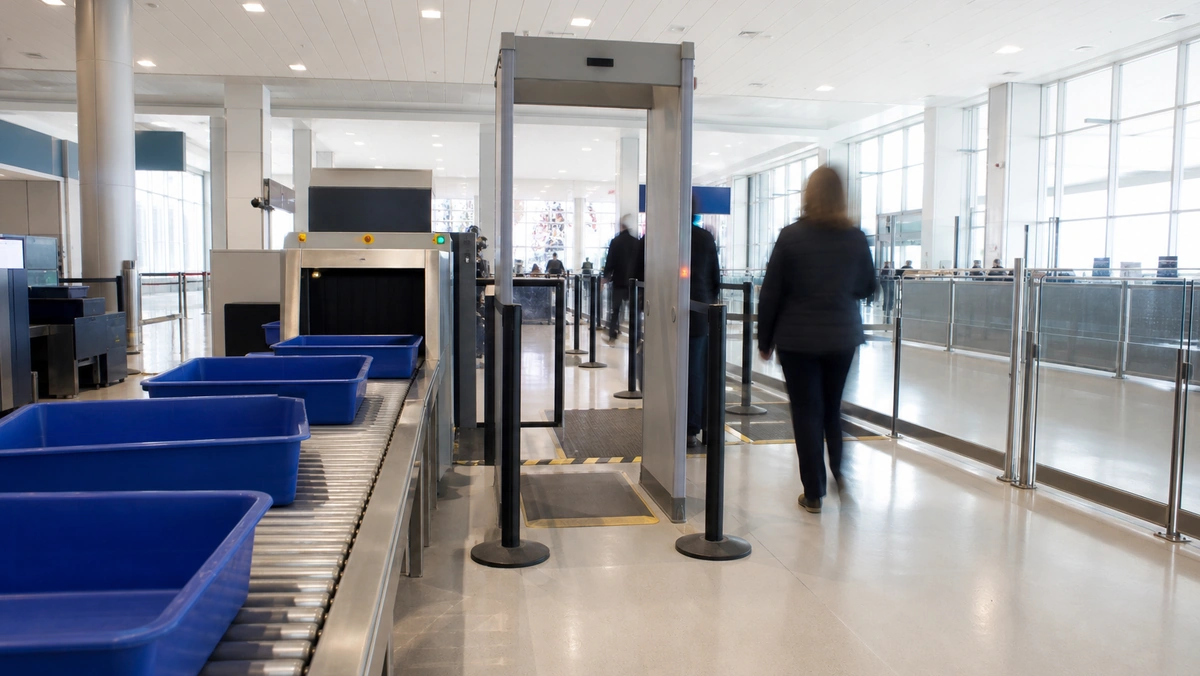
- Allow extra time at security — busy Labor Day checkpoints compound weather delays.
- Know your airline’s same-day change and hotel policies if a connection breaks.
- Arrive about two hours early for domestic trips and three hours for international ones when hubs are stressed.
Security lines are part of the story too
Public reports citing the Transportation Security Administration projected more than 17 million passengers through U.S. checkpoints over the broader Labor Day travel window. That volume alone can stretch waits even on clear-weather days.
ID mismatches remain a common secondary-screening trigger. Adults should carry a valid ID that matches the boarding-pass name exactly.
Airlines typically manage disruptions through a combination of schedule adjustments, crew repositioning, and passenger rebooking. Weather-related ground stops can have effects long after skies clear because aircraft and crews may be out of place. Travelers with tight connections should ask about alternatives early, especially when several hubs are reporting delays at the same time.
For families, the most useful preparation is simple: monitor the airline’s alerts, keep medication and essentials in a carry-on, and save receipts for reasonable expenses when policies permit reimbursement. Travelers should also distinguish a delay from a cancellation, since the available options can differ. Checking airport advisories before leaving home helps reduce time spent waiting in a crowded terminal.
Airport operations can also be affected by thunderstorms, runway restrictions, and air-traffic control spacing requirements. Even passengers whose own flight is on time may see a connection change when the incoming aircraft is delayed. A flexible plan, current contact information, and patience with gate agents can make the recovery process smoother.
These steps help people protect time, money, and energy during one of the year’s busiest travel weekends.
Plan ahead for smoother travel during holiday weather disruptions.
Why this matters
Labor Day closes peak summer travel. For families on tight schedules, Labor Day airport delays are not a minor inconvenience — they decide whether a holiday trip ends on time or in an overnight airport terminal.
How Never Late News reported this
Never Late News reviewed holiday travel reports summarizing more than 4,000 Labor Day weekend airport delays tied to storms, plus publicly cited TSA volume estimates for the holiday screening window and standard hub arrival guidance. The desk was not at airport operations centers for this story and did not invent delay counts beyond those attributed in public coverage.
Corrections and reader feedback
If you spot an error, email the news desk through our Contact page. We publish corrections under our Corrections policy. Read more about our standards on the Editorial Policy and About pages.