
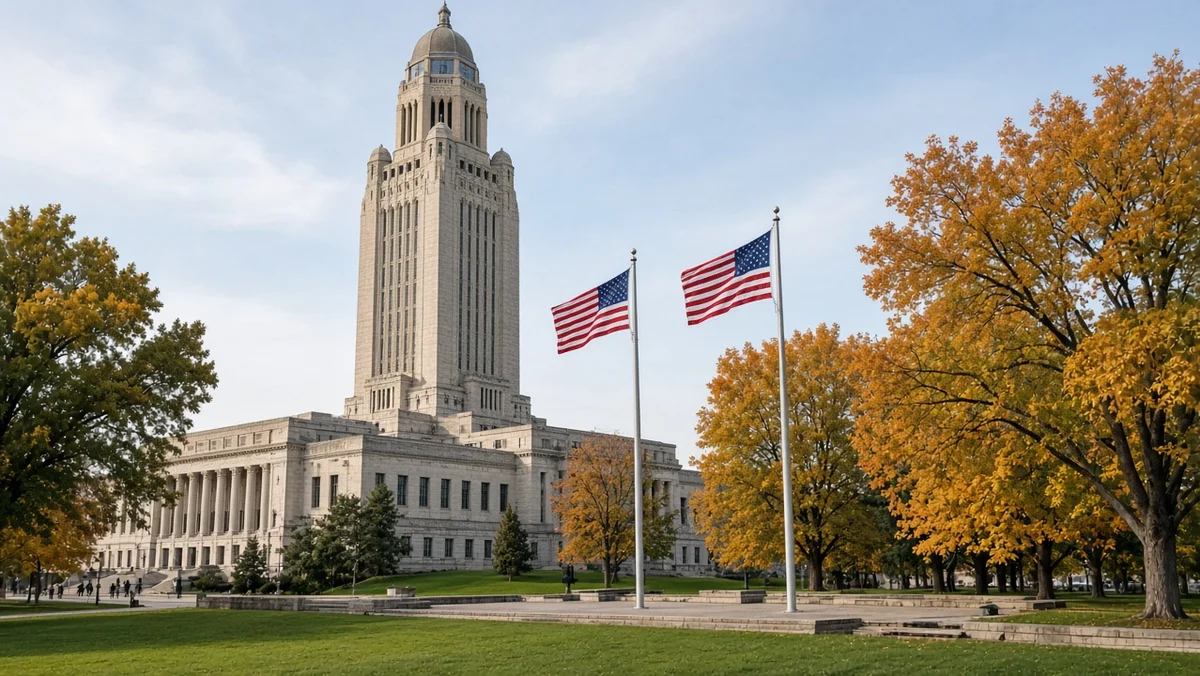
LINCOLN, Neb. — The Nebraska Supreme Court on Wednesday ordered the City of Lincoln to place three citizen-initiated charter amendments on the Nov. 3 general election ballot, rejecting a push to wait until the May 2027 municipal election.
In a 5-2 decision granting Attorney General Mike Hilgers a writ of mandamus, the court said petitions certified with enough signatures must go to voters at the next qualifying general election. KLIN, citing Nebraska Examiner reporting and court materials, said the fight was not whether the petitions qualified—but when Lincoln had to submit them.
Under the state constitution, measures go to the next general or special election that is not within 30 days of filing. The petitions were filed Aug. 19, 76 days before Nov. 3, putting the November general election inside that window.
What the three proposals would do
Good Government Lincoln’s package includes three charter changes:
1. Limit City Council members to two consecutive four-year terms. 2. Move city elections from odd-numbered years to even years so they align with statewide contests. 3. Allow certain eligible residents in Lincoln’s three-mile extraterritorial jurisdiction (ETJ) to vote in municipal elections, while excluding bond elections.
The court unanimously preserved the City Council’s authority to submit alternative charter language if it chooses. City Attorney Yohance Christie said Lincoln will comply, while raising concerns about an accelerated timeline for public process and saying he shares some of the dissent’s worries.
That November timing puts Lincoln voters in the same mid-cycle crush as other local elections nationwide—from Rhode Island’s September primary to November school questions such as the Indianapolis IPS referendum.
Dissent, home rule, and election administration
Justice Stephanie Stacy dissented, joined by Judge Michael Pirtle, who sat for Chief Justice Funke. The dissent argued the majority’s approach was unsupported, conflicted with Lincoln’s home-rule charter and the Election Act, and risked disorder or confusion for election officials and voters.
Those administrative worries sit alongside broader national debates over who gets on the rolls and how ballots move, including coverage of voter citizenship verification fights and Alabama’s September absentee-ballot mailing. Lincoln’s case, though, turns on charter initiative timing rather than federal voting rules.
Signature drives and political context
A first petition drive in July failed after allegations of signature fraud. Plains Sentinel reported that more than 65% of signatures in that effort were fraudulent. A second August drive collected more than 9,000 signatures for each measure. Six people outside Nebraska were arrested in connection with alleged fraud, according to the Lincoln Journal Star. Good Government Lincoln has portrayed itself as a victim of that fraud; former state Sen. Tony Fulton is a sponsor.
Nebraska Examiner has reported that Hilgers lives in the ETJ and supports Good Government Lincoln’s efforts. The court did not treat that personal interest as a legal issue in the mandamus ruling; we note it here for transparency only.
Why this matters
Charter amendments rewrite how Lincoln elects its council, when it votes, and who in the fringe ETJ can cast municipal ballots. Putting the questions on Nov. 3 compresses public education into a general-election season already crowded with federal and state races. Term limits and even-year elections could change who runs and who turns out. ETJ voting would expand the electorate for most city contests while still barring those residents from bond elections.
The dissent’s warning about confusion is a reminder that election calendars are also operational systems—printers, ballots, and canvassing boards need clear deadlines.
How Never Late News reported this
This article draws on KLIN’s Sept. 10, 2026 report and the underlying Nebraska Examiner, Attorney General, and court accounts it summarizes: the 5-2 mandamus result, the three amendment topics, the Aug. 19 filing date, the 76-day gap to Nov. 3, the City Attorney’s compliance statement, the Stacy-Pirtle dissent themes, and publicly reported background on the petition drives. We did not invent ballot title language, signature totals beyond those reported, or quotes not in the source material.
Corrections and reader feedback
If you spot an error in this report, email tips@neverlatenews.com. We correct the record promptly and note substantive updates at the bottom of the story when needed.