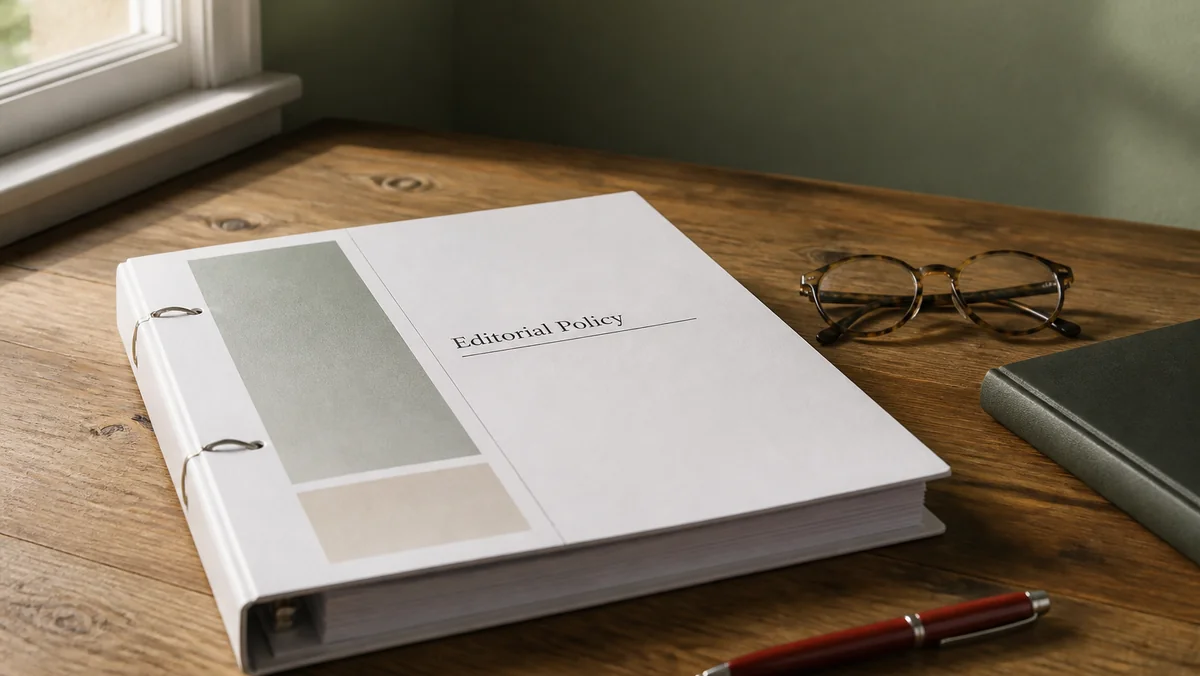
Editorial policy standards
Our editorial policy guides every story published by Never Late News. It sets rules for accuracy, fairness, sourcing, independence, corrections, and honest presentation.
Verification and sources
Reporters use public records, official statements, meetings, interviews, and verified data. We prefer on-the-record sources. Anonymous sources require a clear public interest and confirmation. We distinguish reporting from analysis and opinion, identify uncertainty, and do not publish rumors as facts. People facing criticism receive a fair chance to respond.
Headlines, images, and updates
Headlines, summaries, social text, and previews must reflect the story. We do not use clickbait or misleading images. Material changes are explained in the updated story.
Independence and privacy
News value and public interest guide decisions. Advertisers, officials, sources, and relationships must not determine coverage. Conflicts are disclosed. Sponsored material is labeled. Private details are used only when relevant, with extra care for children and victims.
Corrections and accountability
How we gather information
Desk reporting often starts with an agenda, filing, budget, court record, agency release, or public database. When a reporter is not on scene, we say so through clear wording and link readers to the underlying source when practical. Official information is checked against the record and, when possible, another independent source.
Fairness and public interest
We seek relevant viewpoints without creating false balance. A claim does not become credible simply because it is repeated. We ask what evidence supports it, who may be affected, and what readers need to understand the decision. We avoid loaded labels and explain allegations as allegations.
Story review
Editors review significant stories for attribution, dates, names, numbers, context, and possible conflicts. Corrections are separate from We review it regularly for clarity and accuracy. Accuracy matters more than speed, and clarity matters more than performance. Those principles guide this editorial policy every day.
We publish policies so readers can understand our work before they rely on it. The goal is not to claim perfection. The goal is to show our method, acknowledge limits, and make accountability visible.
Reader questions
Readers may ask why a source was used, how a number was checked, or why a story changed. We welcome specific questions and evidence. The editor reviews credible concerns, consults the reporting record, and updates the story or explains why it remains unchanged. This keeps the editorial policy practical and accountable.
Reader questions
Readers may ask why a source was used, how a number was checked, or why a story changed. We welcome specific questions and evidence. The editor reviews credible concerns, consults the reporting record, and updates the story or explains why it remains unchanged. This process helps keep the editorial policy practical and accountable.
ordinary updates. If a story is developing, we label uncertainty and update it as reliable information becomes available. We preserve a transparent record of material changes.
Advertising and partnerships
Advertising and sponsorship do not buy editorial coverage. Commercial messages are labeled so readers can distinguish them from news. Staff may not accept gifts or benefits that could affect judgment. Questions about a potential conflict should go to the editor.
Last review
This policy is maintained by editor Mike Joe and is reviewed when newsroom practices change. Last reviewed: September 6, 2026.
We correct material errors promptly and explain meaningful changes. Readers can use our Contact page or review our Corrections process. Our About page explains our mission.
AI and automation
We disclose substantial AI use when it shapes reporting or presentation. Tools do not replace verification. Never Late News never fabricates quotes, sources, documents, images, or events. See the SPJ ethics code.
Last reviewed: September 6, 2026.