
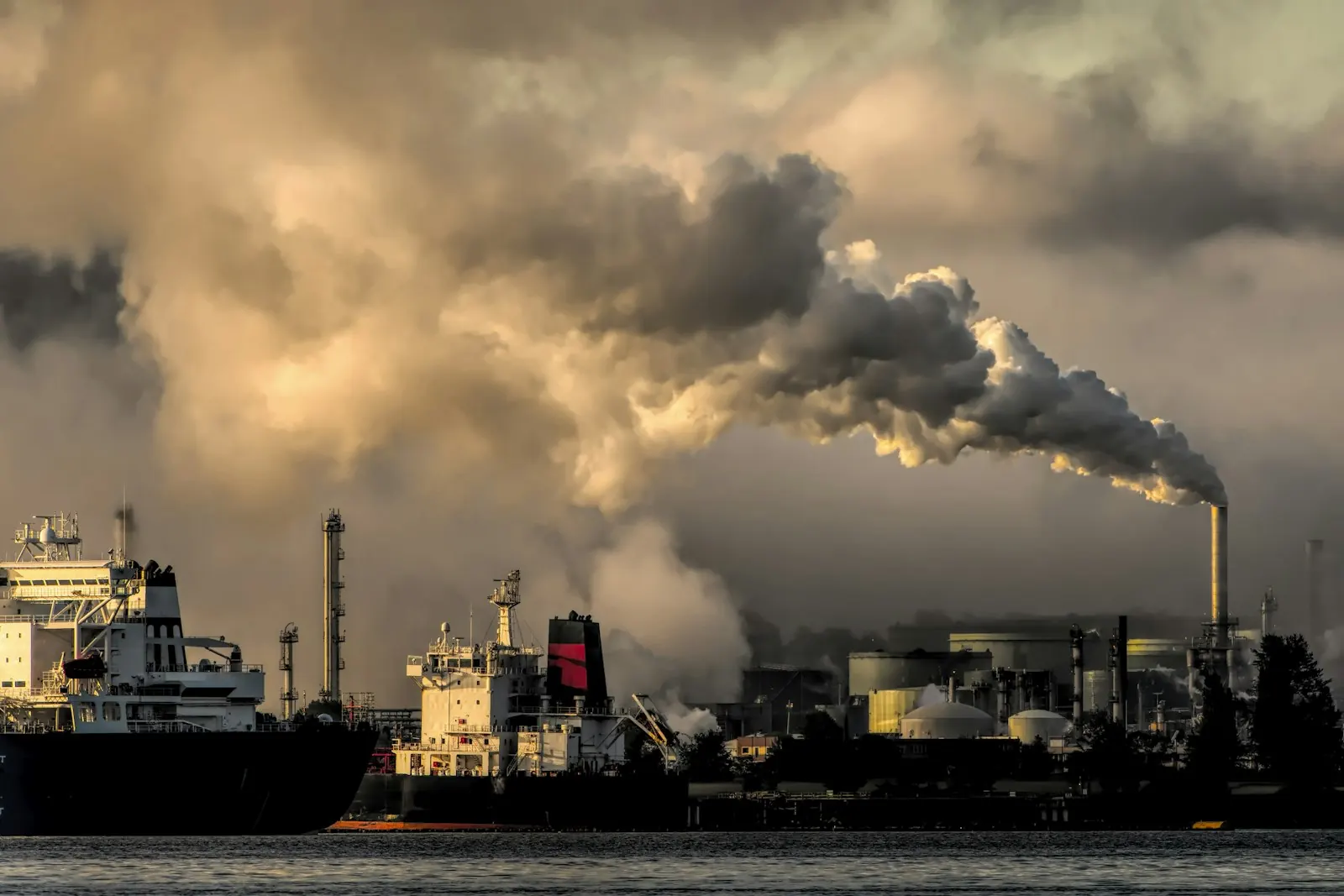
Antalya / New Delhi, November 18, 2026. COP31, the United Nations climate summit in Antalya, Türkiye, has entered its decisive final days. The conference runs from November 9 to 20. Ministers are now bargaining over a contested draft decision while deep divides remain on climate finance, fossil fuels, adaptation support and the timetable for the next major climate-science assessments.
For Indian readers, this is not only a diplomacy story. The outcome can influence climate finance access, trade-linked green standards, industrial investment and the pressure on India to document emissions across supply chains.
Key facts at a glance
Where and when: COP31 is underway in Antalya, with the scheduled close on November 20, 2026.
What is stuck: Negotiators disagree on fossil-fuel transition language, finance and adaptation commitments, the role of science in future stocktakes, and even whether an overarching “cover” decision should exist.
Who is pushing the text: Australia, a COP31 co-host and lead negotiator, circulated an early draft of an overarching decision that quickly mapped the room’s red lines.
What else is happening: Side tracks are busy with AI energy pledges and green industrialization announcements, even as the core legal-political text remains contested.
Why Indian households and businesses should care
Climate summits often sound distant. The practical effects are not. Finance rules affect the cost of money for renewables, adaptation projects and cleaner factories. Trade measures linked to carbon intensity already influence exporters in steel, aluminium, chemicals and related sectors. Technology coalitions formed at COPs can later become the standards that buyers and investors demand from Indian suppliers.
A weak Antalya outcome does not freeze India’s energy transition. It does change the diplomatic and market weather around it. A clearer outcome can lower uncertainty for investors. A collapsed or hollow deal can raise it.
The fight over money
Climate finance remains the centre of the conflict. Developing countries want predictable funding for adaptation and clean transitions. Wealthier economies face budget stress and domestic politics. UN Secretary-General António Guterres has warned that even ambitious-sounding adaptation pledges can still fall far short of assessed needs.
Campaign groups at the summit have already called some adaptation commitments inadequate. Readers do not need to accept every campaign slogan to see the arithmetic problem: climate damages and adaptation costs are rising faster than easy political agreement on who pays.
Science timing is a power struggle
One sharp dispute concerns when the next major Intergovernmental Panel on Climate Change assessments should land. Vulnerable nations want findings available before the next Global Stocktake cycle around 2028. Other countries prefer a later schedule.
This is not a calendar debate only. Authoritative science shapes the tempo of accountability. Voices linked to the Paris Agreement architecture, including Laurence Tubiana and Mary Robinson in interventions covered by UN News, have urged governments not to weaken the IPCC’s standing. If diplomacy drifts away from the best available science, negotiations become a contest of narratives rather than risk management.
Technology showcases versus negotiated outcomes
Antalya has two faces. One face is announcements: Türkiye and the International Telecommunication Union launched the Antalya Artificial Intelligence Pledge to cut AI’s environmental footprint through cleaner energy, efficiency and better emissions tracking. ITU officials have warned that AI-linked data-centre energy demand could rise sharply by 2030 if left unmanaged.
The other face is the negotiated text. Side events can make a COP look busy while the decision document stalls. The useful reader habit is simple: separate announcement volume from what governments actually agree to put in writing.
Just transition and India’s domestic echo
Workers and communities sit behind every energy shift. Activists warn that dialogue forums without money, timelines and enforcement become empty process. For coal regions, industrial towns and critical-mineral economies, transition talk without transition finance is delay.
India faces the same tension at home: jobs, state finances, grid reliability and industrial competitiveness cannot be wished away. International text that ignores those realities will be hard to sell domestically. Domestic plans that ignore climate risk will be hard to defend abroad.
What to watch before November 20
Four questions decide whether Antalya delivers substance:
1. Will countries approve a cover decision?
2. Will fossil-fuel transition language survive in usable form?
3. Can finance and adaptation paragraphs move beyond symbolism?
4. Can the IPCC timetable fight end without damaging trust in science?
After the summit, watch trade and procurement rules. Carbon border measures and green product standards often bite later, through buyer questionnaires and investor screens, not only through UN communiqués.
Green industry and AI: useful, not magical
Antalya’s industrial track focuses on cleaner steel, cement and heavy products. Experts at the summit have stressed that many lower-carbon options already exist. The missing pieces are investment, market demand and access for developing economies. That message matters for India because infrastructure choices made now will lock in technologies for decades.
AI belongs in the same sober frame. Cleaner data centres and better emissions tracking can help. They cannot replace the hard politics of finance and fossil fuels. Treat technology pledges as tools. Measure the summit by whether those tools are paired with money, timelines and enforceable direction.
How to read the closing statements
Closing press conferences at climate summits often sound historic even when the text is thin. A better public checklist is narrower: Did finance become more predictable? Did adaptation move beyond pledges? Did fossil-fuel language create real direction or only ambiguous verbs? Did science keep its place in the accountability cycle?
Indian exporters and manufacturers should also prepare for the aftershock. Even without a perfect Antalya deal, buyers in major markets will keep asking for emissions data, cleaner process routes and credible transition plans. Factories that start measuring now will be better placed than those that wait for the next communiqué.
Frequently asked questions
Can one COP rewrite India’s energy system?
No. Domestic policy, grids, industrial investment and state capacity matter more day to day. COP outcomes still shape finance, diplomacy and trade expectations around that domestic work.
Why do side events matter at all?
They can seed standards and coalitions that later influence markets. They should not be confused with the negotiated decision text. Both matter. They are not the same thing.
Bottom line
COP31’s final days will not be judged by the volume of side events. They will be judged by whether finance, adaptation, fossil-fuel direction and science accountability move in usable text. For India, Antalya is both a diplomatic venue and a preview of the trade, investment and standards pressure that will follow the summit hall.
Neverlatenews will update this report when official decision texts are adopted or when authoritative UN summaries confirm the outcome.
Sources and further reading
- UN News: COP31 enters decisive week
- France 24 / AFP: Fault lines widen as COP31 struggles for climate deal
- United Nations: COP31 overview
Reported and written by the Neverlatenews Editorial Desk. Corrections: contact@neverlatenews.com.