
By Mike Joe
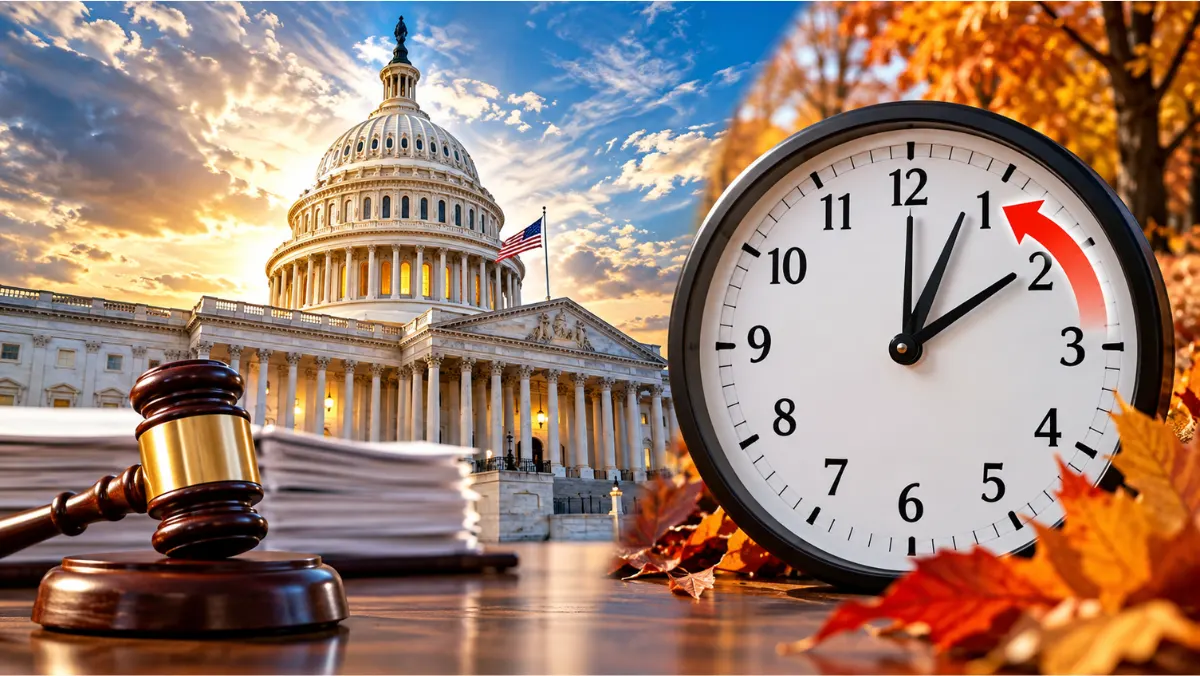
WASHINGTON, Sept. 21, 2026. The Senate has not passed permanent daylight saving time, and Americans should still expect clocks to fall back one hour at 2 a.m. on Nov. 1, 2026, unless senators approve the Sunshine Protection Act and President Donald Trump signs it before that date. The House already voted 308–117 on July 14 to lock clocks on year-round daylight saving time. Nearly six weeks later, the bill remains without a scheduled Senate floor vote.
That gap between House action and Senate deadlock is why “permanent daylight savings time,” clock, and time searches are surging in the United States this week. Households planning school pickups, farm chores, and winter commutes still face the twice-yearly switch under current law.
Supporters argue that changing clocks twice a year disrupts sleep, raises workplace injury risk, and contributes to road crashes, while year-round daylight would deliver more evening light and winter economic activity. The White House said ending the switch would eliminate “the time, hassle, and cost involved in changing clocks twice a year.”
The House rejected a same-day request to vote on an alternative that would have made standard time permanent. Hawaii and most of Arizona already sit out the twice-yearly change. Airlines for America warned that year-round daylight saving time could disrupt passenger schedules, crew and aircraft positioning, and international connectivity, and said any change needs a realistic implementation timeline.
Senate Majority Leader John Thune has indicated he is unsure the measure can secure the 60 votes needed to clear the chamber. He has said there is interest on his side of the aisle, with senators both for and against. The Senate’s remaining working window before a recess that begins around Oct. 5 leaves limited floor time. If senators leave Washington without acting, and return after the Nov. 1 change, the practical chance of stopping this year’s fall-back shrinks further.
Why is the Senate daylight saving vote stuck?
Sen. Tom Cotton (R-Ark.) has led resistance and asked Thune not to bring the measure up. Cotton argues permanent daylight saving time would produce very latewinter sunrises and force children in many communities to travel to school in darkness. Sen. Mike Rounds (R-S.D.) has said permanent daylight saving time “doesn’t work in South Dakota.” Sen. Steve Daines (R-Mont.) has warned that sunrise in western Montana would not arrive until about 9:30 a.m., a problem for parents putting kids on buses.
Cotton has also cited winter sunrises approaching 9 a.m. in Seattle, about 9:15 a.m. in Grand Rapids, and nearly 9:45 a.m. in Williston, North Dakota, according to reporting that attributes those examples to senators’ statements. The figures are debate illustrations, not a federal sunrise table, but they help explain western and northern Republican resistance.
Will clocks still change in 2026?
Yes, under current law. Clocks still fall back on Nov. 1, 2026, at 2 a.m. local time where daylight saving time is observed. WBAL’s Sept. 16, 2026 update said the window for Senate action that could affect this year’s switch is closing. IBTimes UK’s Jim Manzon, publishing Sept. 21, 2026, likewise reported clocks still fall back on Nov. 1 while the Trump-backed bill stays frozen in the Senate.
What did the House pass in July?
On July 14, 2026, the U.S. House of Representatives passed the Sunshine Protection Act (H.R. 139) by a bipartisan 308–117 margin, Reuters’ David Shepardson reported from Washington. The vote sends the measure to the Senate. If enacted, clocks would no longer return to standard time in November. States that do not currently observe daylight saving time, or that chose permanent standard time before the federal change, could opt out.
1 thought on “Permanent Daylight Saving Time: Senate Has Not Voted; Clocks Fall Back Nov. 1”
Comments are closed.